


Sure, Biorun is! Emphasizing eco-friendly practices is not only good for the environment but also increasingly important to consumers who are conscious of their ecological footprint.
Here are some key areas where Biorun can focus to further enhance its eco-friendly sock production:
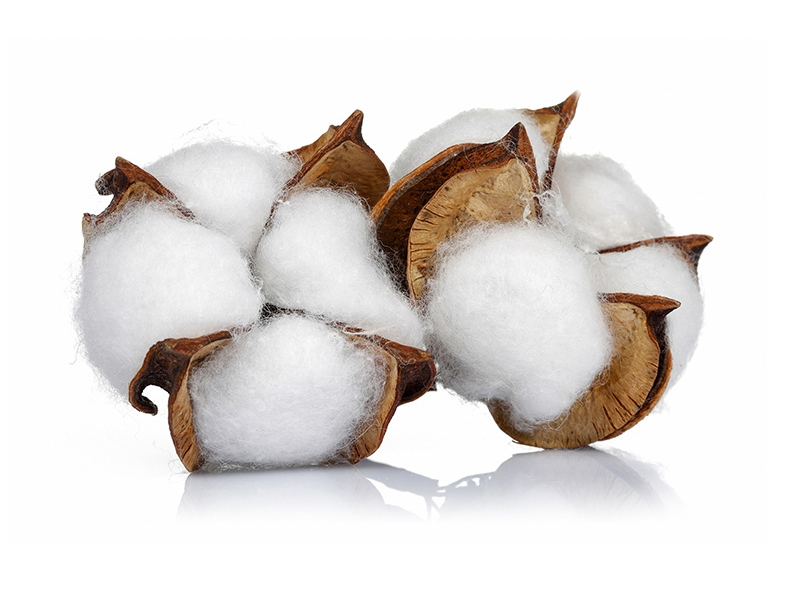
①Sustainable Material Sourcing
1. Organic Cotton: Grown without harmful pesticides and fertilizers, organic cotton is better for the environment and often more comfortable for the wearer.
2. Bamboo Fiber: Bamboo is a fast-growing plant that requires minimal water and no pesticides. It's biodegradable and naturally antibacterial.
3. Merino Wool: Sourced from sheep that graze on regenerative pastures, merino wool is biodegradable and provides excellent temperature regulation.
4. Recycled Polyester: Made from recycled plastic bottles or other post-consumer waste, this material reduces landfill waste and conserves resources.
② Eco-Friendly Production Practices
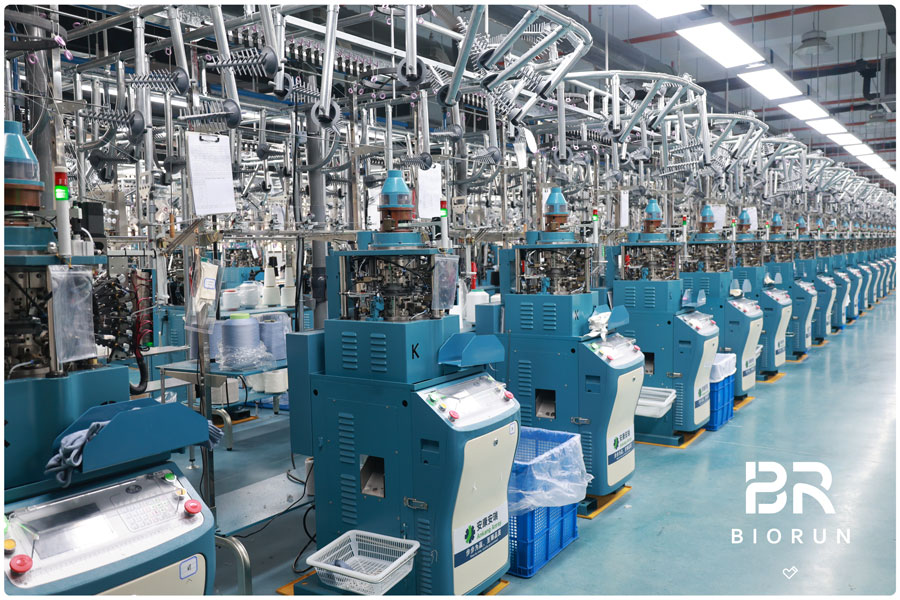
1. Energy Efficiency: Use energy-efficient machinery and renewable energy sources.
2. Water Conservation: Implement water recycling systems and use low-water-usage dyeing processes to minimize water consumption.
3. Waste Reduction: Optimize cutting patterns to reduce fabric waste and repurpose leftover materials into other products or uses.
4. Eco-Friendly Dyes: Use non-toxic, eco-friendly dyes that have minimal environmental impact.
③ Packaging and Shipping
1. Recyclable Packaging: Use packaging made from recycled materials and ensure it is recyclable or biodegradable.
2. Minimal Packaging: Reduce the amount of packaging used and opt for minimalist designs to cut down on waste.
④ Transparency and Certification
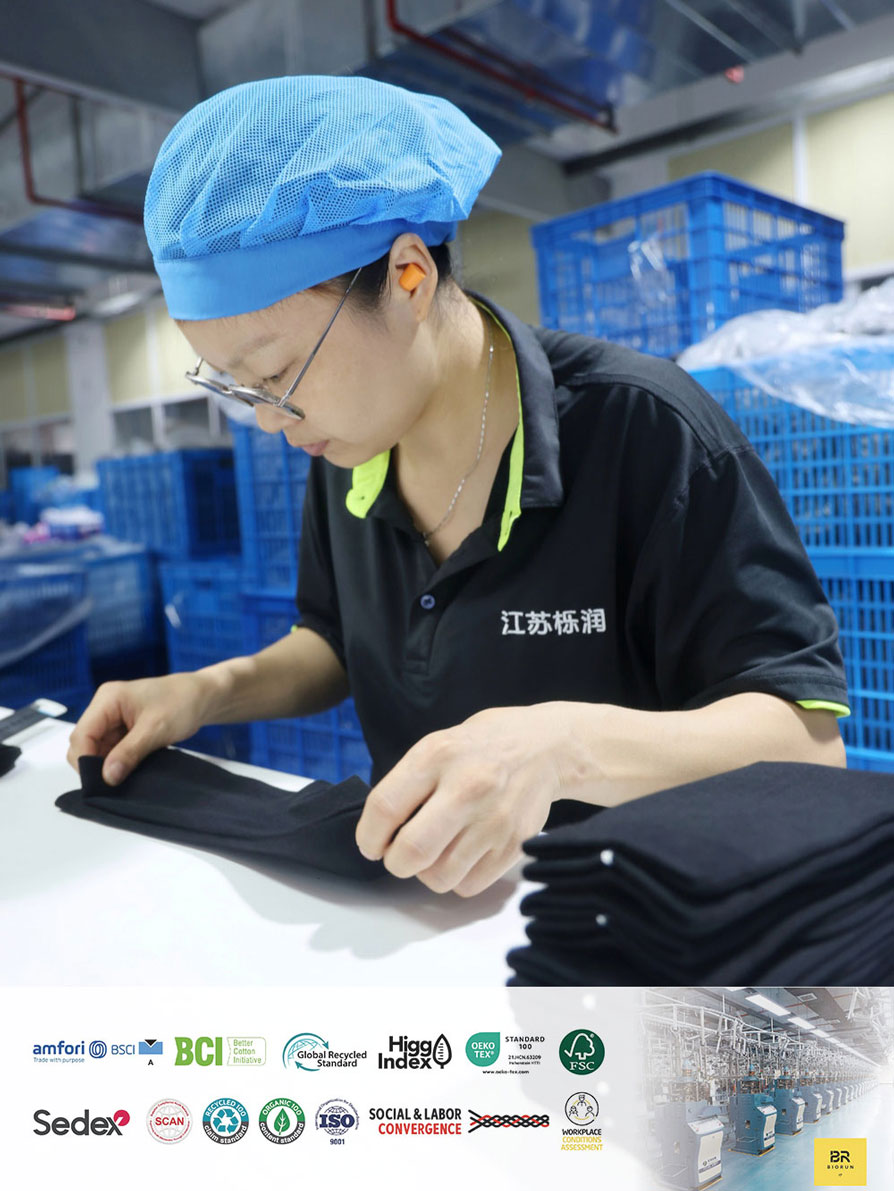
1. Certifications: Obtain certifications such as GOTS (Global Organic Textile Standard), Fair Trade, or OEKO-TEX® to assure customers of your commitment to sustainability.
2. Transparent Supply Chain: Maintain transparency in your supply chain to build trust with consumers who are interested in the origins and ethical standards of their purchases.
⑤ Customer Education and Engagement
Eco-Friendly Initiatives: Launch campaigns to educate consumers about the benefits of choosing eco-friendly socks and how they can contribute to sustainability efforts.
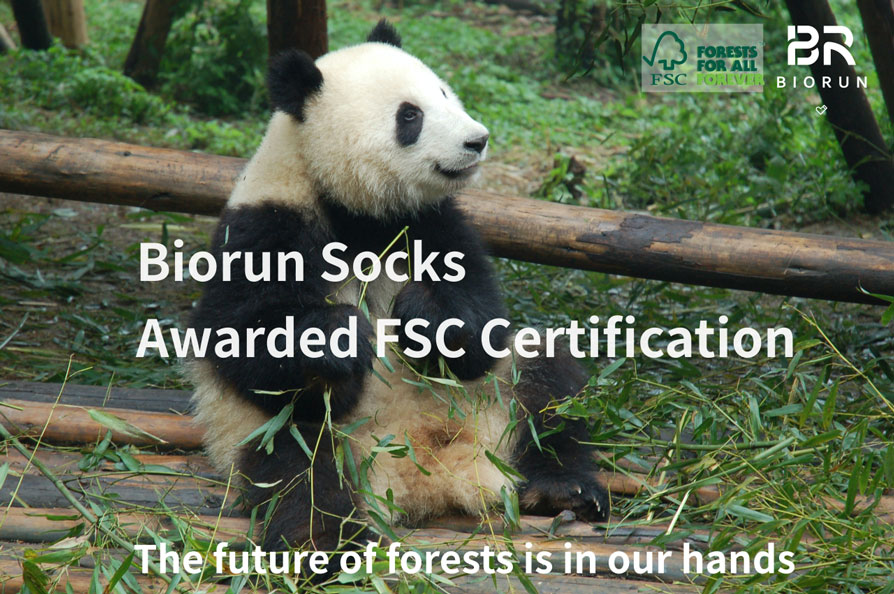
By focusing on these areas, Biorun can strengthen its commitment to producing eco-friendly socks and appeal to a growing market of environmentally conscious consumers.

 Your location:
 About Socks
 +86-13501664370
 +86-4008-068-021
 zhanglei@biorun.cc
 BRSOCKS
 BIORUN SOCKS
 BIORUN SOCKS
 Room A519, No.456 Yonghe Road, Jing'an District,Shanghai,China